

How did it go so wrong? The way back
Innocence lost. Innocence found.

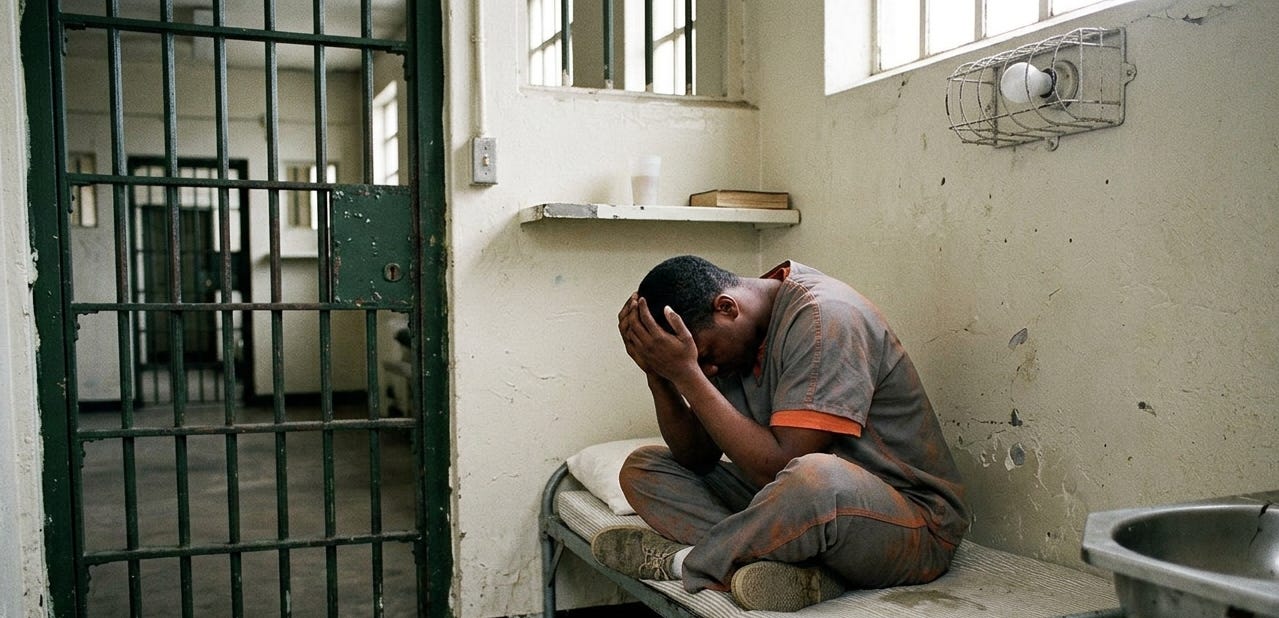
Criminals were once innocent children
I frequently visit jails, interview witnesses to crimes, examine crime scenes, watch surveillance and bodycam videos, and the like. I see people experiencing the worst days of their lives.
We were all children once. We wanted to be safe, loved, and to play. No toddler says, “I want to be a drug addict and get arrested when I grow up.” Nor is our childhood dream to spend the rest of our lives in prison.
When I visit inmates in jail, I often imagine them when they were babies or toddlers. This may sound odd, but I do it for a reason. As children their lives were innocent and their whole futures were ahead of them. They had the potential to be formed to grow up doing good for others, to face the risks and challenges, the choices and consequences, and the responsibilities of adulthood.
For inmates, if guilty, something went terribly wrong in their formative years or with the choices they made as they got older. Sometimes they made that one bad choice and got caught.
Sometimes I discover what an inmate endured as a child and wonder, “Did he ever have a chance?” I sometimes ask them about their hopes and dreams. I always pray they still have hopes and dreams. Sadly, some do not.
Righteous people
Most people see themselves as “good people.” Even people who live treacherously bad lives will often say, “But deep down I am a good person.” In the depths of the human soul there is a desire and longing for goodness. We want to be good (or at least seen as good) and we want to be part of goodness.
Sometimes, to feel righteous, to convince ourselves we are “good,” we find people (or create them) who are worse than us. We ridicule, condemn, and assume the worst about others to provide a “them,” a “those people,” who provide a sharp contrast to our own faults to convince ourselves and others of our goodness. “Look how good I am compared to that evil bast**d.”
This comparison ritual plays out every single day in people who will not acknowledge their own faults and are convinced of their own righteousness and bent on convincing everyone else. Goodness by comparison is fake.
Looking through a different lens
People who recognize their own faults and how they hurt others, and who ask for forgiveness and strive to correct their faults, see the world differently than those who maintain artificial personas. These people look at the world through a lens of humility.
Humble people see reality the way it is. They understand there is a fine line separating good and evil, and that line runs right through them. They acknowledge that different circumstances could have shaped their lives quite differently. They understand their lives could change in an instant and they could become one of “those people.”
People seeking to be humble will not “pretend” they are good. They will not paint others “bad” to perpetuate their illusions. In fact, they will look for goodness in others, even in the worst offenders of moral norms. Why? Because they acknowledge their own struggles with evil.
Truth, beauty, and goodness
Human beings were created for truth, beauty, and goodness. When we are surrounded by lies, ugliness, and bad actors, the world can feel heavy. We do not make it better by celebrating our own supposed goodness and mocking the mistakes or perceived evil of others. A heavy burden is lifted when we stop faking virtue.
Goodness is beautiful. Goodness does not celebrate the faults of others but forgives them. Yes, we need to hold people who commit evil accountable, but it can be done with gentleness and love.
When we acknowedlge reality the way it is, see our own faults and failures, forgive others and lift them up, we will begin to cultivate beauty and goodness. We will contribute to healing the wounds of our world.
About the author
J. Steven Bromwich is a criminal defense investigator and ethicist, with advanced training in history and diplomatic studies. He writes about crime, power, and ethics to help readers navigate modern problems through historical perspective and first principles.