

Healthcare: rehabilitating the healing professions
Serving people in crisis and perspective

Of Haiti, disasters, and healers
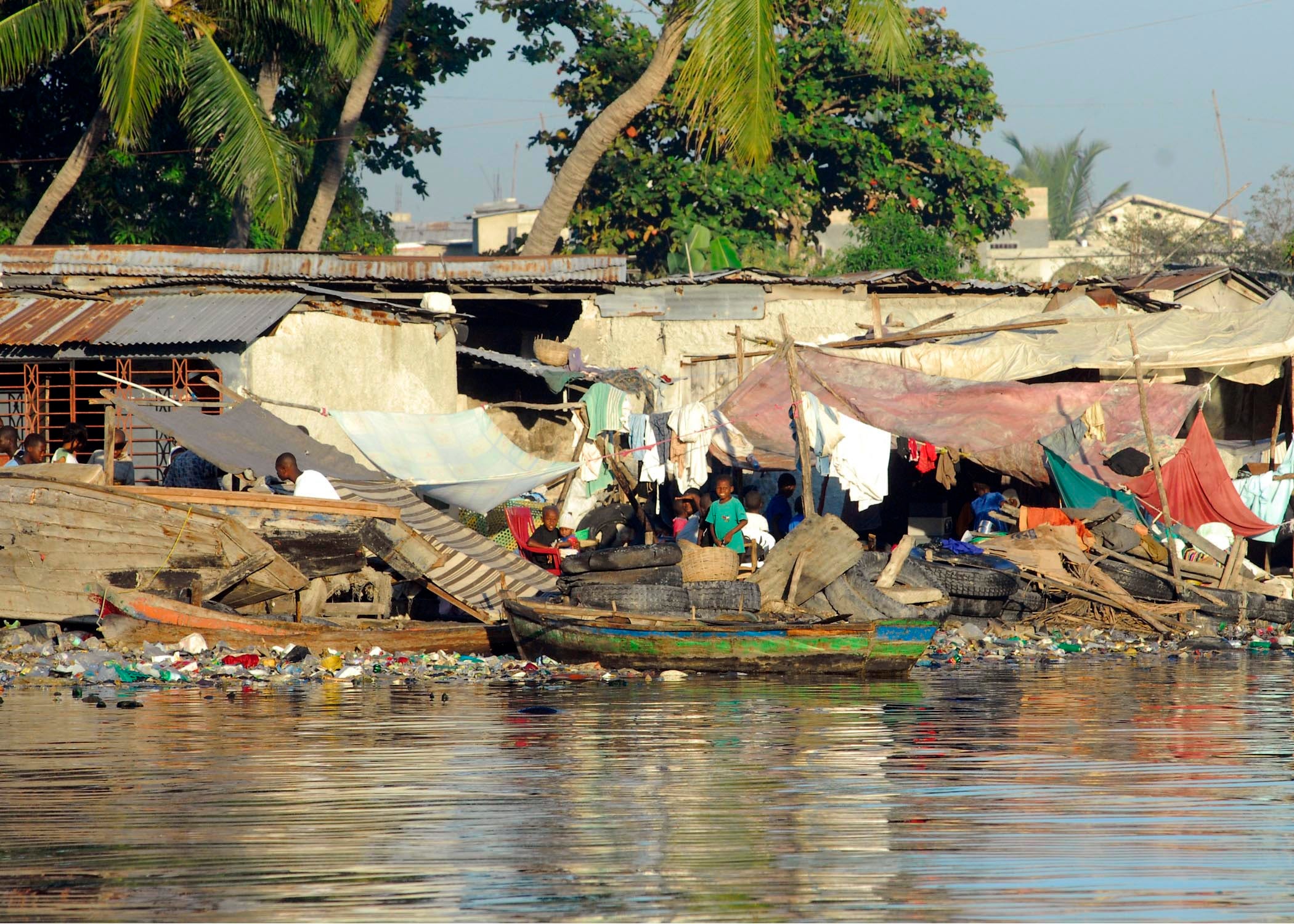
Lucia[1], like too many children in 2010 post-earthquake Haiti, was orphaned. Buildings collapsed, injuries went untreated until help could arrive, and diseases spread. First responders dealt with death, destruction, treating the wounded, and helping people cope with loss and trauma. Many people lost nearly everything, including their families.
This was reality. The people of Haiti had to deal with a frightening reality, including an uncertain future. Most of them already suffered abject poverty, and the earthquake compounded their difficult lives.
First responders were confronted with concentrated misery on a scale many had never experienced. We used our physical and emotional skills the best we could to care for people in crisis.
An orphaned girl and the community
Lucia’s situation unfolded quickly. First, she was dropped off at our hospital, was alone at 6 or 7 years old, and needed medical treatment. I am not sure about her exact medical needs, but I believe she had head injuries from falling debris. She sat on a blanket hugging a stuffed animal someone had given her. At that moment it was everything to her.
She was evaluated by one of our pediatric nurses and a physician. By the time they had completed their evaluation, two women had arrived from the community and were sitting with her. We vetted them, and they were approved by our trusted local community leader. They were ladies from a local church. More women arrived. The girl was now being comforted and cared for by four or five women.
The power of trusted members of a local community cannot be overstated. Physicians, nurses, social workers, administrators, and chaplains can only do so much. The vulnerable sick need support from their local communities and churches. This is an important lesson for modern American healthcare, a system that has moved from community hospitals to corporate conglomerates. This will be the topic of a future article.
Organized compassion in chaos
Working as healthcare professionals in post-earthquake Haiti was a roller coaster of emotions for most of us. It was sometimes adrenaline driven, and always physically exhausting.
The hospital out of which we worked and the neighboring school we used as a triage center and spillover hospital were far enough away from the epicenter of the earthquake in Port-au-Prince that no damage was incurred. Shortly after arrival a few of us immediately got to work organizing a triage center, pharmacy, supply chain, staff duties and the like.
We knew that what was about to hit us required intricate organization, but also human resilience and compassion. This was made clear the moment we arrived from the airport. No sooner had we stepped out of the vehicles that someone yelled “incoming.” We had not even had a chance to unpack or change into scrubs when we were shown where to go (run) to meet the helicopters. Ready or not, more injured were arriving.
The U.S. Navy (primarily) flew helicopters with the wounded from Port-au-Prince to our hospital because we had an intact hospital and plans to open several hundred more beds. They landed on the soccer field down the bumpy dirt road from the hospital and triage center.
Those assigned to incoming helicopters ran out to the choppers with stretchers in hand to unload the injured. We then ran the patients secured on top of stretchers to the awaiting ambulances and loaded them on. As many as six wounded could fit into the ambulance truck stacked three high on each side. One or two of us rode with the patients on the ambulance to the triage center where they were unloaded, triaged, treated and/or prepped for surgery, often amputations. This process was repeated multiple times most days.
This did not feel like a job. It felt like a calling, a mission. We did not punch a clock. People needed care. Often the sound of an incoming chopper and “incoming” was our timeclock.
Healthcare is a calling, not just a job
If caring for the sick is merely a job, and healthcare is only a business enterprise, then those who are sick, elderly, and dying are commodities, objects we use to increase profit and market share. They cease being human beings. Moreover, if we treat human beings in need like objects we not only disrespect their dignity, but we also reduce our own. We will have missed an amazing opportunity.
The word compassion means “to suffer with.” This is a high and challenging calling. To suffer with someone requires much more than “resiliency,” a word often empty of real meaning. It requires a deep spiritual understanding of who we are and who we are meant to be as humans. It requires us to acknowledge a reality about being human: we have all been created in the image and likeness of God and share a common nature and a common purpose.
Even if a healthcare professional does not believe in God, it is possible to recognize that there is more that connects us as humans than mere flesh and blood. We are more than material beings. We long to love and be loved, to be connected to others, to be good and encounter goodness. These realities transcend materiality.
Many of us entered healthcare to connect with people in need on a deeper level than mere sick bodies. Those of us who went to Haiti did so because we had a deep desire to help suffering fellow human beings, to do good for them in their darkest moments.
Getting back to basics is the only way to reform healthcare
Few people would argue that healthcare in the United States needs reform. The situation is complicated and beyond the scope of this article to address it in its entirety (this is part of the purpose of this newsletter).
The foundational reform needed, however, is a human one. The vulnerable sick, elderly, and dying must be at the center of reform discussions. The calling of healthcare professionals needs to be discussed openly. Human dignity and compassion should be the foundations of every healthcare business model. If these are not at the center, we are engaged in exploitation, not healthcare.
J. Steven Bromwich founded 1690 Media to explore the soul of healthcare. He tells the stories of heroes and villains of historical healthcare, connecting these moral lessons to modern medicine. He is a bioethicist, criminal investigator, and RN.
[1] Names and details have been changed to protect privacy
.